

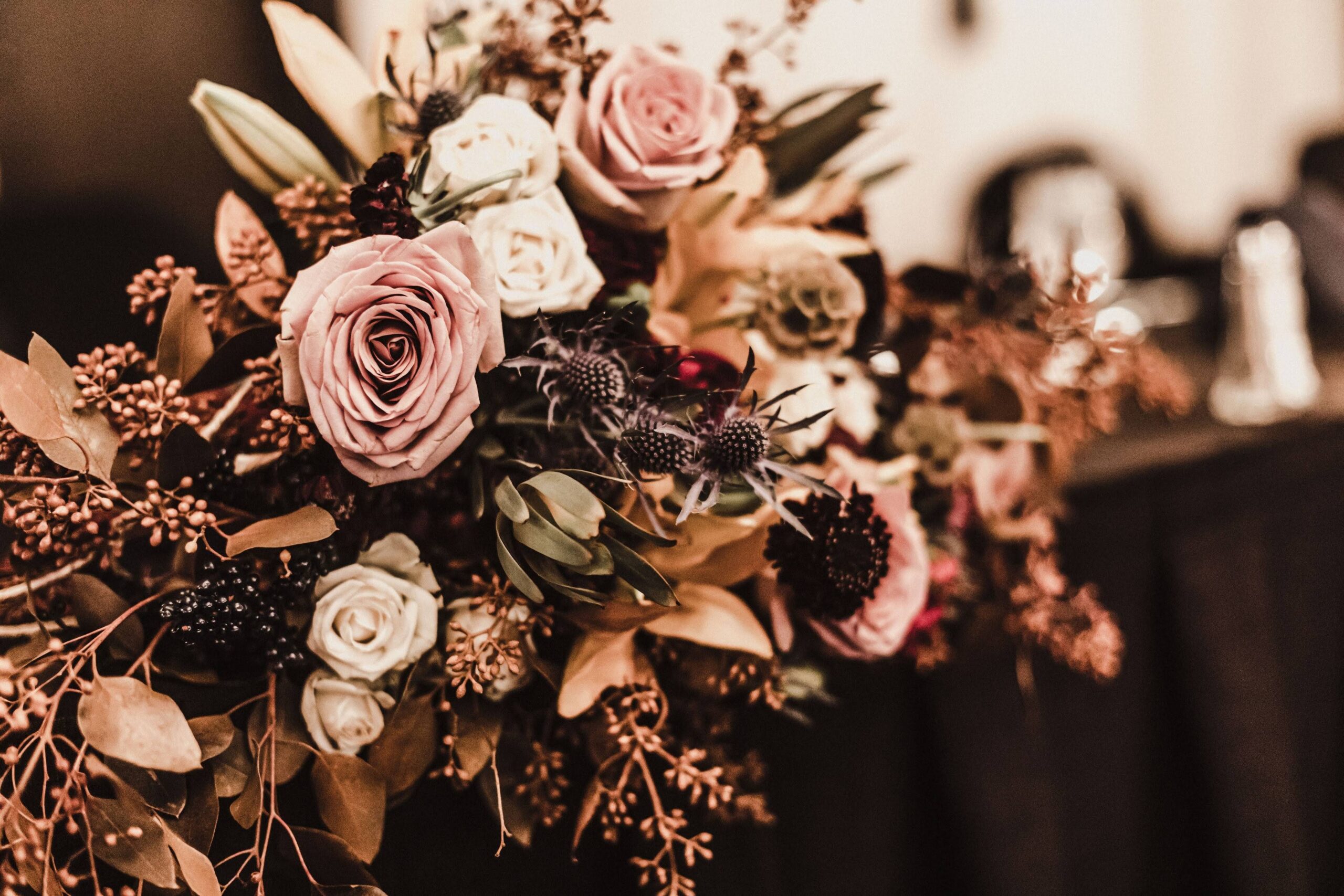
Choosing bridesmaids’ dresses often feels straightforward. The color is picked, the fabric is approved, and everyone agrees. Then flowers enter the conversation, and things get complicated. Bouquets that looked beautiful on their own suddenly clash with dresses. Tones feel off. Textures compete. The details stop working together.
The solution is not louder color or trend chasing. It is thoughtful coordination. When bridesmaids’ flowers are chosen to support the dresses rather than steal attention, everything settles into place. That balance is what makes flowers feel intentional, not added at the last minute.
Starting With the Dress, Not the Bouquet
The dress sets the direction. Color depth, fabric weight, and movement all matter. Soft chiffon asks for lighter, airier florals. Structured satin can handle more definition. Bridesmaids’ flowers, Woodbury, work best when they echo the dress instead of fighting it.
At Aneta’s European Floral, designers look closely at how the dress behaves in motion and light before suggesting flowers. This approach keeps the bouquet from overpowering the look and allows the dresses to stay front and center.
Color That Supports, Not Competes
Matching flowers to dresses does not mean using the same shade. In fact, that often flattens the look. A slightly lighter or deeper tone creates dimension. Neutrals soften bold dresses. Muted florals can ground pastel gowns.
For bridesmaids’ flowers in Woodbury, MN, this restraint matters. Many local venues already have strong visual elements. Subtle color choices help flowers blend naturally into the full setting without distraction.
Texture Does the Heavy Lifting
When color stays calm, texture takes over. This is where flowers start to complement rather than copy. Delicate blooms against smooth dresses. Loose greenery beside structured silhouettes. Texture gives depth without noise.
Experienced florists understand how texture reads from a distance and up close. Aneta’s European Floral often layers blooms with different shapes, so bouquets feel interesting in photos without pulling focus from the dresses.
Size and Shape Matter More Than You Think
A bouquet’s shape should mirror the dress style. Long, trailing bouquets pair well with flowing gowns. Compact arrangements suit tailored dresses. Oversized flowers can overwhelm a simple dress, while tiny bouquets can disappear against heavier fabrics.
When working with flowers, Woodbury couples trust, proportion becomes a quiet strength. The goal is harmony, not statement pieces competing with attire.
Coordinating Across the Wedding Party
Bridesmaids rarely wear identical dresses anymore. Different cuts, same color, or even varied tones are common. Flowers become the visual link that ties everyone together.
By keeping structure consistent and allowing small variations, Aneta’s European Floral helps create cohesion without forcing uniformity. This approach keeps each bridesmaid comfortable while maintaining a unified look.
Considering the Setting
The appearance of flower-dress combinations can be influenced by the season and the type of indoor or outdoor light used to illuminate them. A bride’s floral arrangement that looks bright, airy, and flowing in the natural light of the springtime may look overwhelming when placed inside a venue that has no windows and is lit only artificially in the late fall or winter months. They should follow similar guidelines to those created for the bridal gown.
Florals created by Woodbury for bridesmaids often represent the local flowers available for that season of the year, therefore creating a natural link between the venue and the flowers, and also maintaining a realistic appearance of the total bridal ensemble.
Avoiding Trends That Date the Look
Trends move fast. Dresses and photos last longer. Choosing flowers that complement dresses through balance rather than novelty protects the look over time.
Designers at Aneta’s European Floral guide couples toward combinations that will still feel right years from now. The focus stays on fit, tone, and texture, not what is trending online.
When Everything Works Together
When dresses and flowers are aligned, the wedding party looks calm and confident. Nothing feels forced. Bridesmaids move easily, and photos feel natural. The flowers support the dresses, and the dresses elevate the flowers.
That quiet coordination is what makes bridesmaids’ flowers feel like part of the design, not an afterthought.
Final Thoughts:
Bridesmaids’ flowers in Woodbury, MN, complement dresses when they are chosen with intention. Starting with the dress, using thoughtful color shifts, relying on texture, and respecting scale all contribute to a cohesive look. When flowers work in the service of the dresses, the entire wedding party feels balanced, comfortable, and visually connected.
Aneta’s European Floral in Woodbury, Minnesota, is where we design our bridesmaid flower arrangements. While working with flowers, we ensure that the aesthetics are well-balanced, proportionate, and coordinated with the gowns. If you would like your bridesmaid’s flowers to have a polished/natural/timeless appearance, we are happy to assist you. Please let us know how you envisage the look of your flowers at your wedding.
FAQs
1. How do bridesmaids’ flowers complement dresses instead of overpowering them?
They work best when color, size, and texture support the dress rather than compete with it. Thoughtful coordination keeps the overall look balanced and natural.
2. Should bridesmaids’ flowers match the dress color exactly?
Exact matches often look flat. Slightly lighter, deeper, or neutral tones create dimension while still complementing the dress.
3. What role does fabric play when choosing bridesmaids’ flowers in Woodbury?
Light fabrics pair well with airy blooms, while structured dresses suit defined arrangements. The bouquet should echo how the dress moves and feels.
4. Why is texture important in bridesmaids’ flowers?
Texture adds interest without relying on bold color. It helps flowers stand out in photos while keeping dresses as the focal point.
5. How do bridesmaids’ flowers work when dresses are of different styles?
Consistent bouquet shape and design tie varied dresses together. Flowers become the unifying element across the wedding party.